


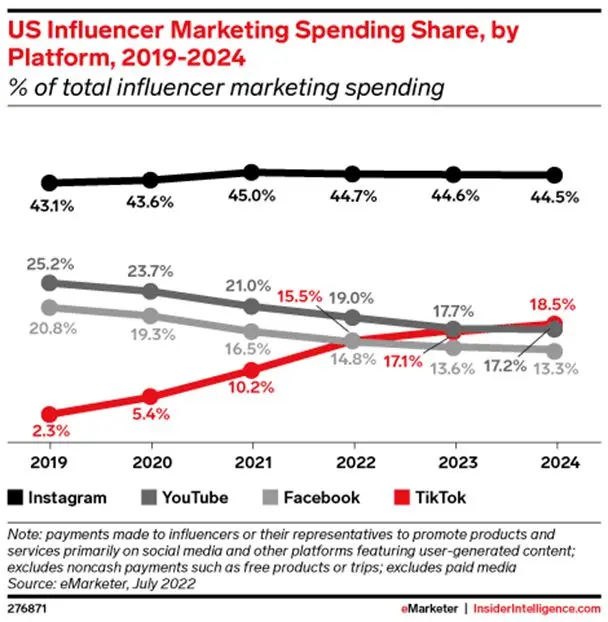
The world of influencer marketing is booming, with budgets steadily increasing. According to the Influencer Marketing Hub, the industry is set to reach a value of $21.2 billion by 2023, a significant jump from $1.7 billion in 2016.
Why this sudden surge?
The Rising Costs of Influencer Marketing
Several factors contribute to the uptick in influencer marketing expenses. Firstly, the market is still relatively young, experiencing rapid growth as both marketers and influencers adapt to this evolving advertising channel.
Unlike earlier days when influencers were content with free products, the landscape has shifted. Influencers now understand their value and are more assertive in demanding fair compensation.
When planning your influencer marketing budget, be prepared to allocate a substantial amount of money. The actual figure varies based on chosen platforms and the type of influencers you wish to collaborate with.
Around two-thirds of marketers intend to increase their influencer marketing budgets in 2023. But how much should you allocate?
As a general guideline, earmark about 15% to 20% of your total marketing budget for influencer marketing. While this may seem substantial, remember that there are various costs involved.
Key Influencer Marketing Budget Factors
Recent trends indicate that influencer marketing is a permanent fixture in the ecommerce realm, offering precise audience targeting. However, it is essential to consider all associated costs to ensure a successful campaign.
Multiple elements can impact your budget, with some of the most crucial ones outlined below.
Influencer Compensation
One of the primary considerations is how much you will compensate your influencers.
There are four primary models for influencer compensation:
One-off fee: A straightforward payment for a short-term campaign.
Product-only: Less common now but still viable, especially for smaller influencers.
Performance-based: Compensation based on achieved conversions, ideal for measuring ROI but unpredictable.
Revenue sharing: Involves sharing profits from each conversion, fostering accountability and engagement.
While cash payments are increasingly common, negotiating a mixed package is feasible. Providing influencers with valuable perks, such as brand event passes or exclusive product access, can help reduce costs.
- Brand event passes
- Exclusive access to new products
- VIP experiences
Considering that content creators must keep their audiences engaged, offering discount codes or free products can further enhance the partnership.
Legal Compliance Fees
Establishing a solid partnership with an influencer necessitates a robust contract, which incurs legal fees. Additionally, influencers may need to sign non-disclosure or content rights agreements.
For long-term partnerships, legal complexities may arise, especially with exclusive contracts that limit an influencer’s income potential by restricting them from working with others.
Clarifying content sharing rights is crucial. Ensure both parties understand expectations, particularly regarding reposting influencer content on your own channels while respecting copyright ownership.
Company Marketing Budget
Optimizing a limited marketing budget is a business imperative, often necessitating a blend of influencer marketing and social media strategies for maximum impact.
Despite budget constraints, there are always viable options within the influencer marketing sphere.
Influencer Marketing Software
For extensive or prolonged campaigns, investing in influencer marketing software can streamline campaign management and enhance planning efficiency.
These tools facilitate influencer discovery, communication, brief submission, payment processing, and performance tracking, saving valuable time for your marketing team.

Tips for Planning Your Influencer Marketing Budget
When budgeting for influencer marketing, setting clear goals and selecting suitable influencers are paramount for campaign success.
1. Establish Realistic Goals
Create ambitious yet attainable goals aligned with overall marketing objectives. Consider potential conversions and project key performance indicators to guide package offerings.
Setting realistic goals aids in measuring campaign success and influencer selection.
2. Define the Ideal Influencer Type
Identify your target audience and their preferred social media platforms to pinpoint potential influencer partners.
For instance, if targeting Gen Z, TikTok may be optimal, while a gardening YouTube channel might suit flower enthusiasts.
Partnering with micro-influencers for niche products can yield better engagement despite reaching a smaller audience.

3. Consider Tax Implications of Gifting
Exercise caution when gifting products to influencers, as it may trigger tax liabilities. Compliance requirements vary by jurisdiction, necessitating careful consideration.
In the US, influencers receiving non-employee compensation exceeding $600 typically receive tax forms. Product value exchanged as compensation must also be reported to tax authorities.
Similar tax obligations apply in other countries, with evolving regulations impacting influencer agreements.
4. Tailor Compensation Packages to Suit
Influencers have diverse preferences, necessitating customized compensation packages that align with your budget constraints.
Accounting software can aid in managing invoices, payments, and budget tracking, crucial for complex influencer deals.
Choosing between single-fee packages for simplicity or performance-based structures for enhanced accountability depends on campaign scale and objectives.
Concluding Thoughts
The dynamic nature of influencer marketing offers a plethora of collaboration opportunities with content creators across various niches.
Exploring these options diligently during budget planning can lead to successful partnerships and potentially unexpected collaborations with popular influencers.


