When it comes to finding influencers, the task can seem daunting. The challenge lies in identifying influencers who are not only genuine but also affordable, making it feel like searching for a needle in a haystack.
Choosing the right influencer to partner with is crucial. They should have an audience that aligns with your target customers and reflects your brand values, ensuring an authentic collaboration. This is essential because audiences are quick to spot insincere endorsements, as seen in the case of Scott Disick’s careless sponsored post blunder with Bootea.
To steer clear of inauthentic partnerships, we’ve put together a guide on the best strategies for finding influencers, drawing insights from ecommerce agencies and influencers themselves.
Before diving in, here are some key points to establish:
Establish influencer criteria
Defining the essential qualities your ideal influencer should possess is the first step in forming a successful partnership. These criteria will vary depending on your brand’s requirements, but here are a few to consider:
- Engagement. Ecommerce expert Elliot Davidson recommends seeking influencers with a 5-10% engagement rate. This indicates genuine interest from their followers, emphasizing quality over quantity.
- Authentic interest in your brand. Genuine passion for your product and shared values with your brand are vital for an authentic partnership.
For more insights on working with influencers, refer to our comprehensive influencer marketing guide.
Determine budget for influencer collaborations
Understanding how influencers calculate their fees and the expected returns can be challenging for brands. Sarah Grosz, former Head of Influencer Marketing at MuteSix, offers the following advice:
“Pricing influencers based on the expected cost per thousand impressions (CPM) is the most effective approach. This involves calculating the cost for the influencer to reach 1000 unique views on their sponsored content. For platforms like TikTok, Youtube, and Instagram reels, video views are easily accessible. For Instagram stories and feed posts, request screenshots of their recent post analytics to calculate the average impressions. Divide the video view average by their fee to determine the expected CPM.”
Grosz also suggests comparing the influencer’s CPM with your paid ads to ensure a fair rate. If needed, calculate a competitive counteroffer based on your paid media CPM. This approach helps in negotiating effectively with influencers.
With the basics in place, it’s time to embark on the search for the perfect influencer for your upcoming campaign.
Strategies to find authentic influencers for your campaign
1. Engage with existing brand advocates
Start by identifying individuals who are already endorsing your products. Check your tagged photos on Instagram, monitor comments and stories, and review direct messages to gauge the sentiment and feedback from existing customers.
This method establishes a natural connection with the influencer’s community, fostering authenticity—an essential aspect as audiences can easily detect forced partnerships.
Take this approach a step further by utilizing tools like Pixlee, which streamlines the process of identifying authentic influencers through user-generated content.
2. Leverage top referrers
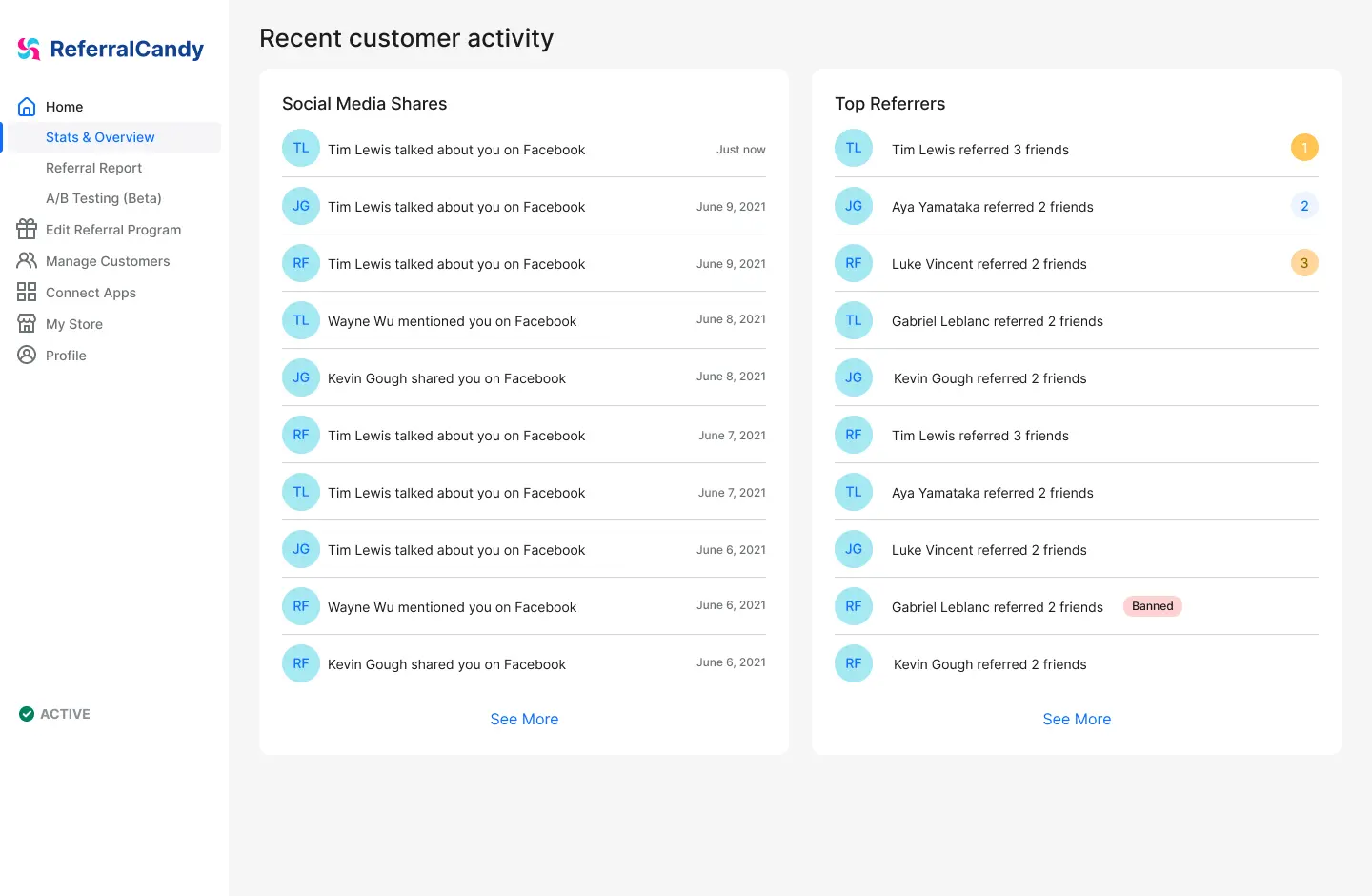
If your brand operates a referral program, consider leveraging top referrers as potential influencers. Analyzing referral data may reveal highly enthusiastic advocates who drive significant referrals, showcasing their genuine interest in your brand and products.
Tools like ReferralCandy can assist in identifying top referrers and initiating collaborations seamlessly.
3. Embrace micro-influencers
For brands on a budget, micro-influencers present a cost-effective option. Kristen Jones, Director of Marketing at SuitShop, notes that micro-influencers are often willing to collaborate in exchange for products to enhance their personal brand.
Micro-influencers possess a highly engaged audience within a specific niche, known for creating authentic content that delivers a significant return on investment when partnered with strategically.
To streamline the process of identifying suitable micro-influencers, we are developing a new tool to simplify and scale this search. Sign up for early access to explore this opportunity.
4. Explore social media hashtags
Utilize branded hashtags associated with your products as a starting point. Whether it’s a product name or a campaign-specific hashtag, leveraging these tags can help in identifying potential influencers.
Additionally, search for generic industry-specific hashtags rather than broad terms like #skincare. Specific hashtags such as #greenteacleaner or #salicylictoner cater to a targeted audience, making it easier to find relevant influencers.
5. Utilize free influencer marketing tools
While manual methods are effective, leveraging marketing tools can enhance your search for influencers. Platforms like Facebook Brand Collab Manager and TikTok’s Creator Marketplace offer valuable insights into influencers’ demographics, follower engagement, and post performance.
Creator Marketplace on TikTok, in particular, facilitates seamless collaboration between brands and content creators, providing detailed analytics for informed decision-making. Don’t overlook these free tools as they offer reliable data to forge meaningful partnerships.

6. Consider advanced influencer marketing tools
For more advanced features and comprehensive insights, consider investing in paid influencer marketing tools. Platforms like #paid, Aspire, and GRIN offer detailed influencer reporting, customized campaign workflows, and influencer matching based on specific goals.
These paid tools elevate the influencer search process and provide in-depth analytics to optimize influencer collaborations effectively.
7. Facilitate influencer applications
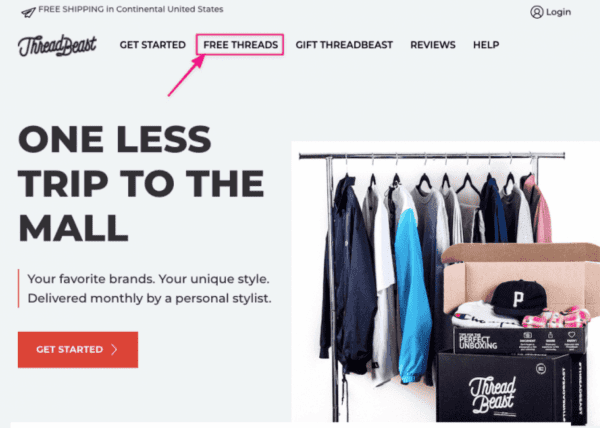
Encourage influencers to apply for partnerships with your brand by promoting your program prominently on your website. Implement a compelling call-to-action to prompt visitors to submit applications, as demonstrated by brands like FIGS and ThreadBeast.
Building Meaningful Partnerships
Collaborating with the right influencers goes beyond achieving desired outcomes—it fosters valuable relationships that benefit both parties. By nurturing influencers and involving them in your brand’s journey, you can tap into their creative ideas and insights to enhance your business.
Sozy, a female-founded clothing brand, leverages input from their community of “SozyBabes” to drive design decisions and business strategies. This approach fosters strong communication with their target audience, leading to mutual growth and success.
Similar opportunities await your brand through strategic influencer partnerships. By implementing the strategies outlined above, you can embark on a journey to find the perfect influencer for your next campaign.