


CBD vs THC: Why is it important?
When it comes to plants that are often misunderstood, cannabis is at the top of the list. This simple green plant has been unfairly stigmatized for years, but now, it is gaining recognition for its potential hidden powers that humans have yet to fully explore. However, one of the biggest misconceptions surrounding this plant is the debate between THC vs CBD. People often mix up the differences between CBD and THC when discussing cannabis. So, what really sets them apart? Why does it matter whether you choose CBD or THC? Are they truly that different? What benefits does CBD offer, and how does it differ from THC?
This article will delve into everything you need to know about these potent substances.

What is CBD?
CBD is a hemp extract that contains the full range of U.S. Government-patented cannabinoids. It is considered hemp and is legal for shipment to all 50 states.
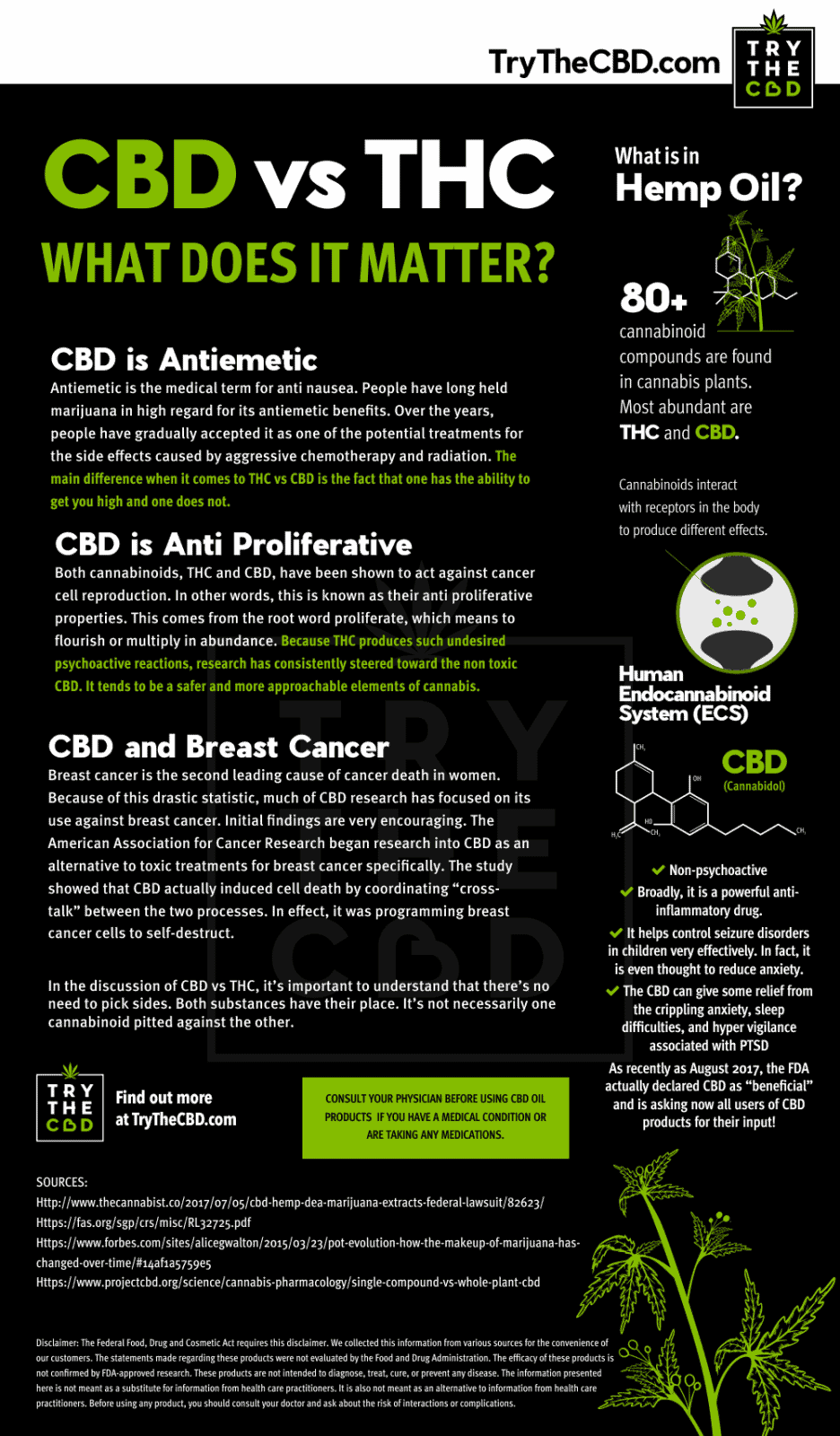
Cannabidiol, or CBD, is derived from industrial hemp plants that contain cannabinoids. CBD products do not produce any psychoactive effects or induce a high, as long as they are free of THC.
In Ancient Civilizations:
Throughout history, major civilizations have revered hemp as a vital plant. Ancient Chinese, Indians, Egyptians, Assyrians, Persians, Greeks, and Romans all valued hemp for its nutritional and medicinal properties. It is remarkable to see how ancient civilizations viewed cannabis as a beneficial substance for the human body, despite its psychoactive potential. However, with the rise of certain religious beliefs, cannabis began to be demonized as harmful. Despite this shift, the ancient civilizations recognized the positive effects of cannabis on the human body.
Fortunately, modern science is now confirming the ancient wisdom about cannabis. Recent FDA recognition of CBD’s benefits in August 2017 further validates its potential. It’s fascinating to see how perceptions of cannabis have evolved over time.
Human Endocannabinoid System

Our bodies are equipped with a system of cannabinoid receptors located throughout the brain and body, known as the endocannabinoid system. This system, which responds well to cannabinoids present in cannabis and produces its own cannabinoids, was only recently discovered by scientists.
Interestingly, our brains naturally produce cannabinoids, indicating a biological predisposition to cannabis consumption. While cannabis does contain an addictive element, CBD oil has been developed without this component, offering the potential benefits without the psychoactive effects.
When these receptors are activated, they facilitate communication between different body systems, a phenomenon previously thought to be impossible.
THC and CBD are two of the most well-known cannabinoids in the cannabis plant, each with distinct effects. Despite both being cannabinoids, the differences between THC and CBD raise questions about their unique properties – CBD vs THC.
Cannabinoids have therapeutic properties, and we offer oils and capsules as dietary supplements. It is essential to conduct your own research to determine if CBD products are suitable for you, as user reports suggest potential lifestyle improvements with CBD use.
CBD vs THC


Ready to explore the debate between THC and CBD? It’s crucial to understand that there’s no need to take sides when comparing CBD and THC. Both substances have their own unique benefits, and it’s not about one cannabinoid being superior to the other.
While both THC and CBD are present in cannabis, they serve distinct purposes. When separated, these compounds form entirely different substances. In this section, we will delve deeper into the differences between CBD and THC to help you gain a better understanding. Both compounds have diverse applications beyond the scope of our discussion. While they share similarities as cannabinoids, their functions are markedly different. Separating these compounds leads to the creation of entirely new substances.
Before we delve into the specifics of CBD vs THC, let’s first explore some well-known properties of CBD.
While further research is needed to substantiate these claims, anecdotal evidence suggests promising outcomes.
The primary distinction between THC and CBD is the psychoactive effect – THC can induce a high, whereas CBD does not. While some may seek the euphoric effects of THC for personal or recreational reasons, not everyone desires this outcome. For those who prefer to avoid getting high or experiencing THC’s effects, CBD offers a viable alternative.
A regimen of CBD alone, such as CBD oil, can deliver the benefits of the cannabis plant without the psychoactive side effects associated with THC in medical marijuana. This makes it an excellent option for many individuals.
But wait, there’s more!
CBD and Breast Cancer
What role does CBD play in combating breast cancer? The answer may surprise you.
Breast cancer stands as the second leading cause of cancer-related deaths in women. Given this alarming statistic, research on using CBD to combat breast cancer has shown promising results.
For more insights on CBD’s potential in breast cancer treatment, read on.

CBD has gained attention in the media as celebrities and influencers endorse its benefits.
Singer Olivia Newton-John has incorporated CBD oil into her fight against a recurrence of breast cancer, as reported by her daughter Chloe Lattanzi in an interview with People. Newton-John’s concert tour was canceled due to lower back pain, which was later diagnosed as metastasized breast cancer.
Newton-John, who battled breast cancer in 1992, plans to combine CBD oil with conventional treatments as a natural complement to proton therapy. Proton therapy targets cancer cells with radiation. Recent research provides insights into why Newton-John and her daughter remain optimistic about her recovery from this second bout with cancer.
Traditional Cancer Treatments
Conventional cancer treatments face various challenges, including the high toxicity of chemotherapy drugs and the development of drug resistance by cancer cells, undermining the effectiveness of treatments.
In essence, these treatments can have detrimental effects on the body’s overall health, as highly toxic drugs may not only target cancer cells but also harm healthy cells. While the primary goal is to eradicate cancer, the side effects of these potent drugs can be severe.
Furthermore, cancer cells can adapt and become resistant to the drugs used to combat them, diminishing the efficacy of treatment. This resistance poses a significant challenge in achieving successful outcomes in every case.
However, is there a way to address these challenges and enhance treatment effectiveness? Is there hope beyond the limitations of conventional approaches? One researcher suggests that a novel approach is necessary.
The Innovative Approach Yields Results
The American Association for Cancer Research initiated a study on using CBD as a less toxic alternative to traditional treatments for breast cancer. The findings, published in 2011, highlighted CBD’s role as an active inhibitor of tumor cells in various cancer types.
At the time, CBD was already recognized for its ability to impede tumor cell growth. The study revealed that CBD triggers cellular processes known as autophagy and apoptosis, colloquially referred to as “self-eating” and “self-killing,” respectively.
By orchestrating a “cross-talk” between these processes, CBD induced cell death, essentially programming breast cancer cells to self-destruct.
For more details on the study findings, visit the AACR website here.
Try The CBD:
We are dedicated to catering to CBD enthusiasts and beginners alike, offering high-quality products that can positively impact your life. At trythecbd.com, we strive to raise awareness and bring about positive change through our products.
Disclaimer
Disclaimer: The Federal Food, Drug, and Cosmetic Act mandate this disclaimer. The information provided is sourced from various references for the convenience of our readers. Statements regarding these products have not been evaluated by the Food and Drug Administration. The efficacy of these products has not been confirmed through FDA-approved research. These products are not intended to diagnose, treat, cure, or prevent any disease. This information does not serve as a substitute for professional medical advice and should not replace consultations with healthcare practitioners. Consult your physician before using any product to assess potential interactions or complications.


