


Key Insights
- Enterprise brands and Shopify stores require different affiliate tools, so there isn’t a one-size-fits-all solution
- Prices vary from flat monthly fees ($89/month) to custom enterprise agreements with revenue-sharing components. It’s crucial to understand the financial implications before committing.
- B2B SaaS companies should focus on recurring commission support and partner portals rather than just network size
- Most platforms offer free trials. It’s advisable to test with actual affiliates before entering into annual contracts.
Affiliate marketing continues to grow due to its cost-effectiveness. You pay based on results, not just exposure. However, selecting the wrong software can turn a profitable channel into a logistical nightmare, leading to issues like inappropriate commission structures, cumbersome affiliate portals, or inadequate integrations with your existing systems.
When evaluating these eight platforms, I considered four key factors: depth of features, transparency in pricing, quality of integration, and alignment with specific use cases. No single platform excels in every aspect. The best choice depends on factors such as your business model, team size, and budget.
Here are the top eight affiliate program platforms for 2026, ranked based on their suitability for different users.
1. ReferralCandy: Ideal for Shopify Brands Seeking Both Referral and Affiliate Capabilities
Best for: Shopify, BigCommerce, and WooCommerce brands looking to manage customer referrals and affiliate programs seamlessly.
For most ecommerce brands, a robust affiliate network isn’t necessary. What they need is a way for existing customers to share links and a select group of influencers and content creators to drive traffic. ReferralCandy facilitates both aspects through a unified dashboard.
On the referral side, the process automates post-purchase enrollment, enabling customers to share unique links and earn rewards. The affiliate side allows you to recruit influencers, bloggers, and brand ambassadors with customized commission structures. You can set flat fees or percentage-based commissions, oversee applications, and provide affiliates with a dedicated portal for link retrieval, asset downloads, and earnings tracking.
The platform includes fraud detection mechanisms to flag suspicious activities before payouts are made. It also offers A/B testing for referral widgets and landing pages to optimize performance. The analytics dashboard provides insights into revenue generation by channel, distinguishing between customer-driven and affiliate-driven revenue.
Setting up ReferralCandy takes approximately 30 minutes. Once you install the Shopify app, configure reward and commission structures, customize emails and landing pages, you’re ready to go. Pricing starts at $39 per month, the most budget-friendly option on this list, with no hidden network fees or lengthy commitments.
Practical tip: Begin with the referral program to mobilize your existing customer base as promoters, then gradually incorporate the affiliate program to attract external partners. This approach allows you to cultivate two growth channels using a single tool.
2. Impact: Perfect for Enterprise Brands Managing Diverse Partnerships

Impact is a comprehensive solution catering to affiliates, influencers, brand partnerships, and referral channels within a unified platform. For brands handling relationships with numerous partners across different categories, Impact streamlines these interactions through a centralized dashboard.
The platform’s partnership automation engine is a standout feature, allowing you to establish rules for partner discovery, contracting, tracking, and payments, with automated execution of routine tasks. Given its built-in fraud detection capabilities, Impact is particularly valuable for large-scale operations.
Pricing is customized for enterprise-level users and typically involves higher costs compared to mid-market solutions. However, for businesses generating over $50 million in revenue with intricate partner ecosystems, the return on investment usually justifies the expenditure.
Practical tip: Utilize Impact’s marketplace to connect with affiliates who are already validated and active on the platform. This can streamline your recruitment efforts before initiating outbound campaigns.
3. PartnerStack: Tailored for B2B SaaS Companies
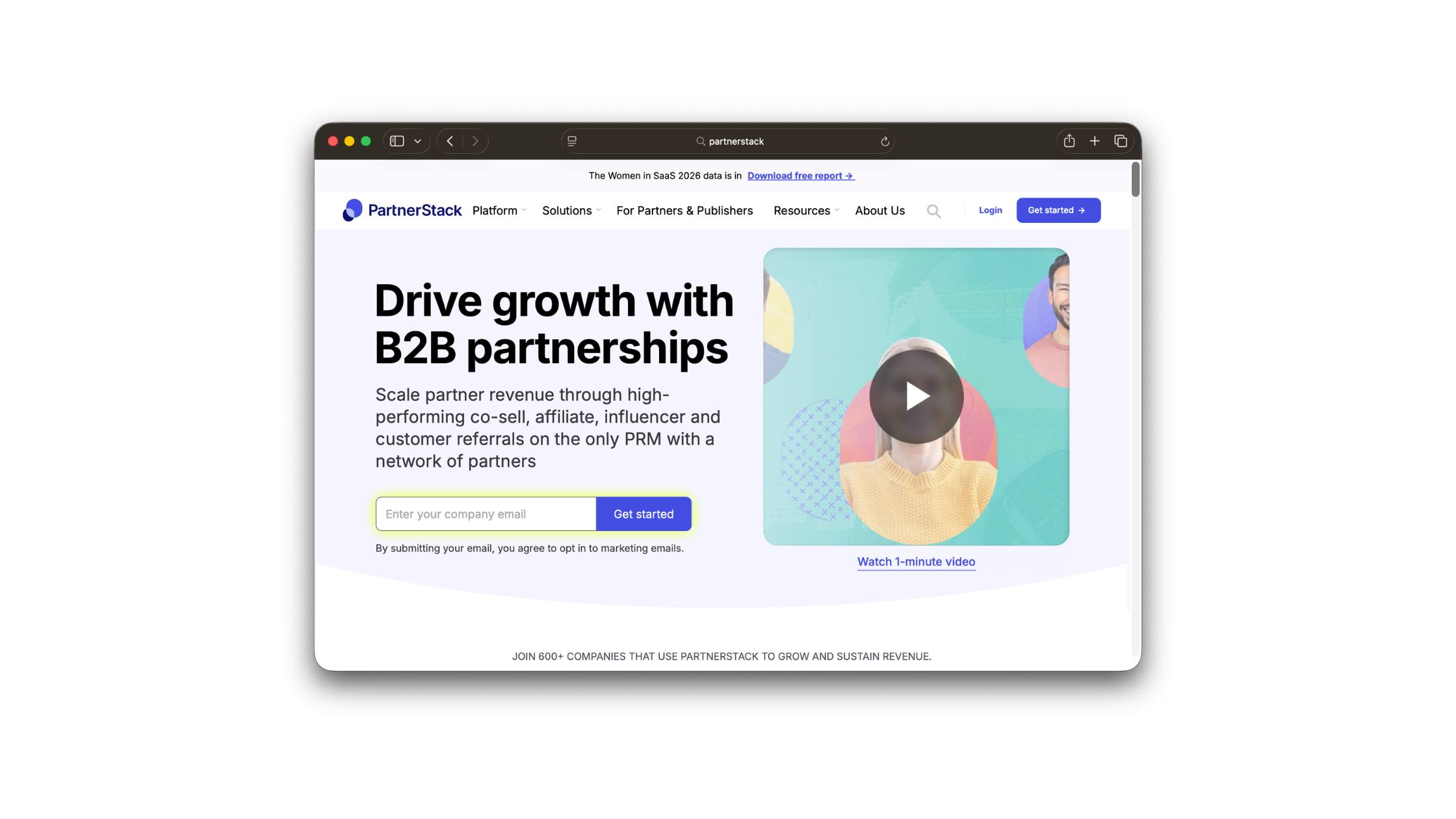
If your business operates on a software-as-a-service (SaaS) subscription model, PartnerStack is designed to address your specific needs. It addresses the unique challenges of B2B affiliate programs, including recurring commissions on monthly and annual subscriptions, tiered partner structures, and a marketplace featuring affiliates and agencies focused on SaaS products.
What distinguishes PartnerStack from general-purpose tools is its tailored approach to SaaS metrics. Commission structures can be linked to metrics like monthly recurring revenue (MRR), expansion revenue, and churn rates. Partners receive access to a dedicated portal for tracking referrals, accessing marketing materials, and monitoring their earnings.
Practical tip: Leverage PartnerStack’s marketplace to recruit affiliates who already promote solutions within your industry. These affiliates bring established audiences and expertise in selling software products.
4. CJ Affiliate: Providing Access to an Extensive Publisher Network
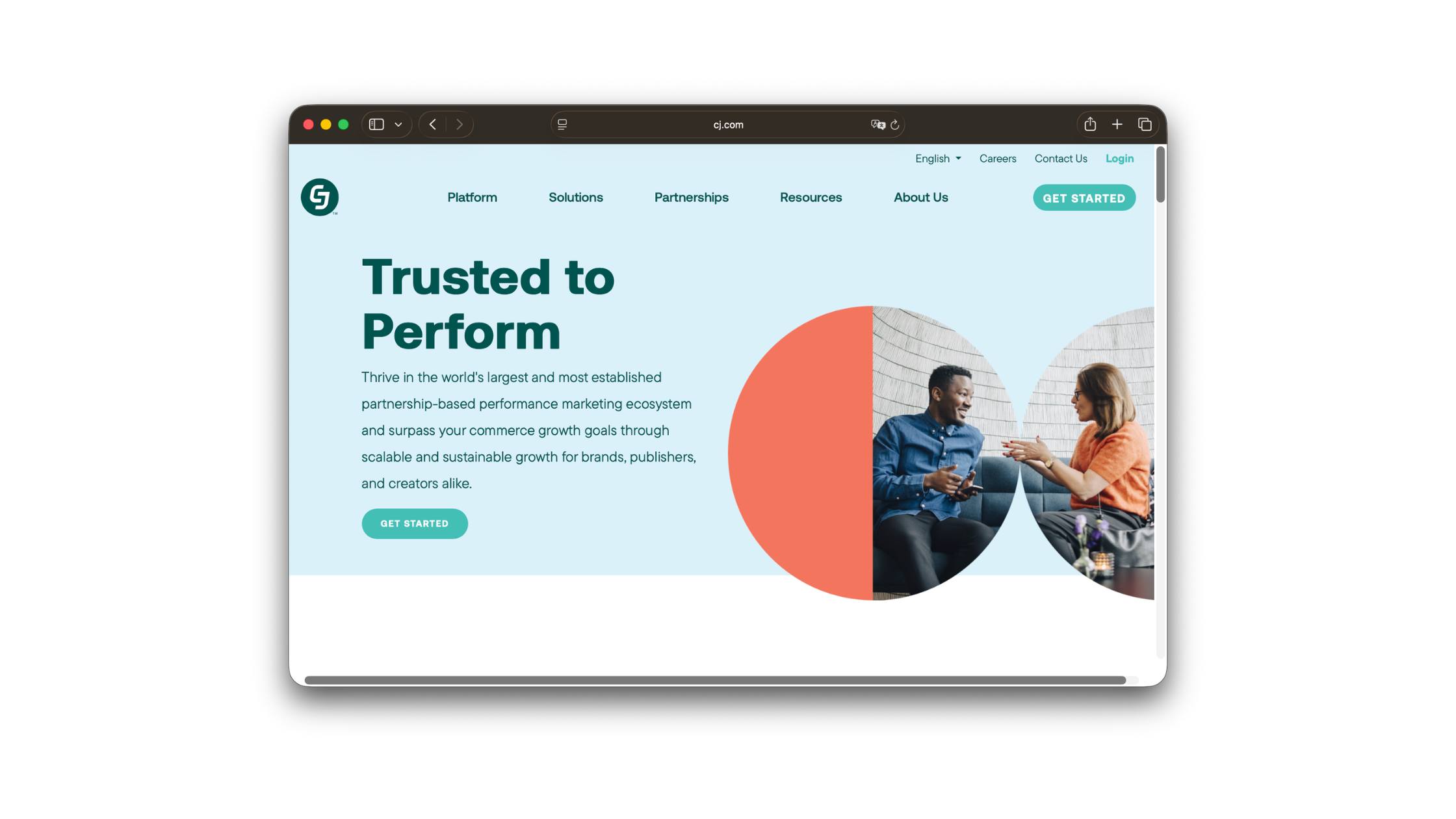
CJ Affiliate, formerly known as Commission Junction, stands out as one of the oldest and largest affiliate networks in the industry. Its value proposition is simple: granting access to a vast pool of active publishers and affiliates who are already generating content and driving traffic.
For brands looking to avoid the hassle of recruiting affiliates from scratch, CJ Affiliate resolves this challenge. By listing your program, setting commission rates, and allowing publishers to apply, the platform streamlines tracking, reporting, and payment processes.
However, CJ Affiliate does impose network fees on top of commissions, and its interface may appear outdated compared to newer platforms. Nevertheless, the network’s size and the quality of publishers within it contribute to its relevance in 2026.
Practical tip: Concentrate your CJ Affiliate strategy on engaging editorial content publishers. Coupon and deal sites often apply automatically, but the true value lies in partnering with publishers who produce authentic reviews.
5. Awin (Including ShareASale): Suited for Mid-Market Ecommerce
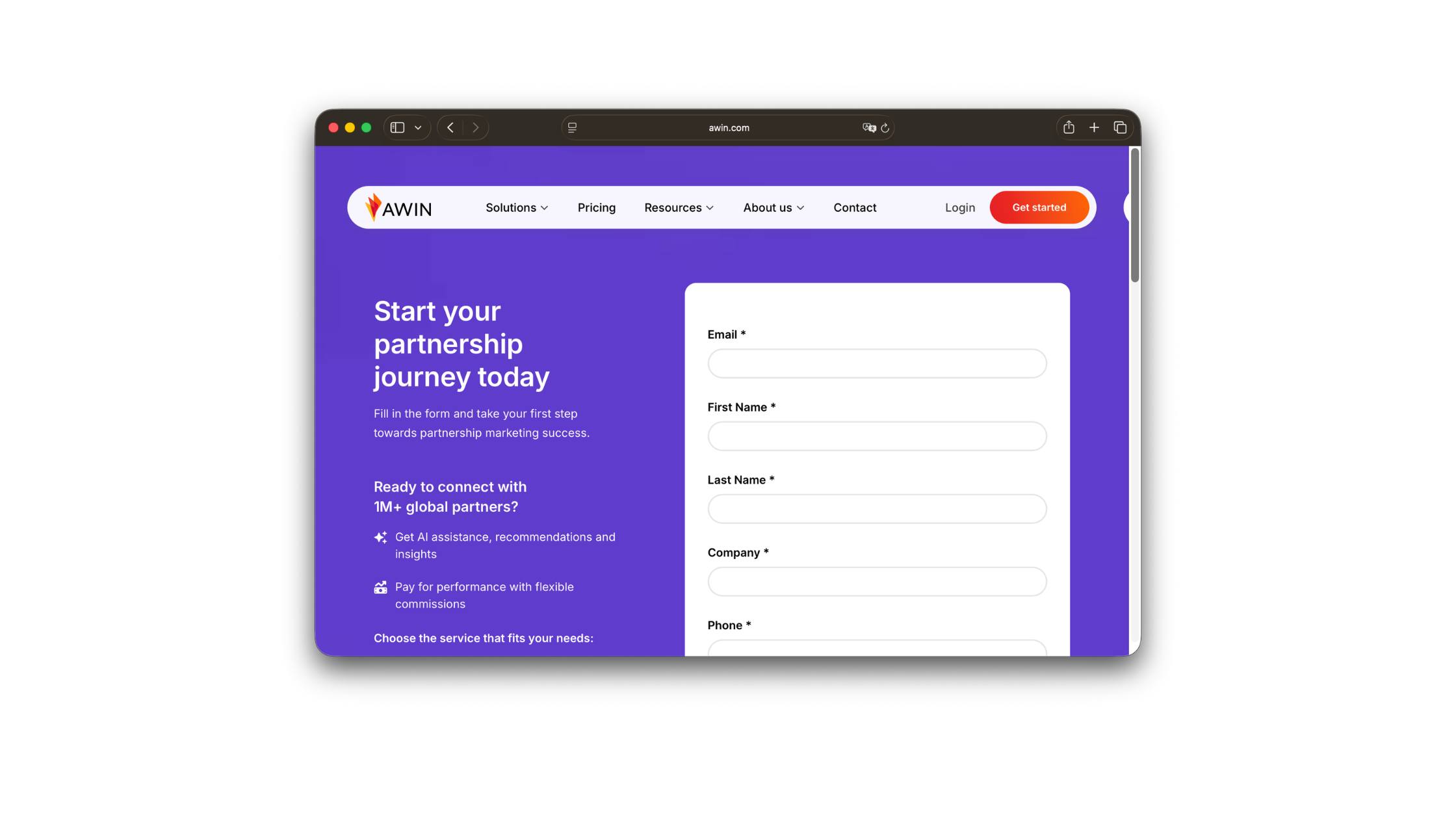
Following its acquisition of ShareASale in 2017, Awin operates one of the largest global affiliate networks, boasting over 240,000 active publishers according to Awin’s data. ShareASale maintains a separate interface popular among small and mid-sized ecommerce brands, while Awin caters to larger accounts.
ShareASale is particularly well-suited for mid-market ecommerce companies (generating $1 million to $50 million in revenue). Setup is straightforward, and the affiliate pool predominantly comprises content creators and niche bloggers—ideal partners for most ecommerce brands.
Pricing involves a network access deposit along with transaction fees, positioning it as a more affordable option than enterprise-grade platforms yet pricier than self-service SaaS solutions.
Practical tip: Utilize ShareASale’s real-time transaction reports to identify top-performing affiliates swiftly. Strengthen relationships with these affiliates by offering custom commission incentives.
6. Refersion: Specializing in Commission Management
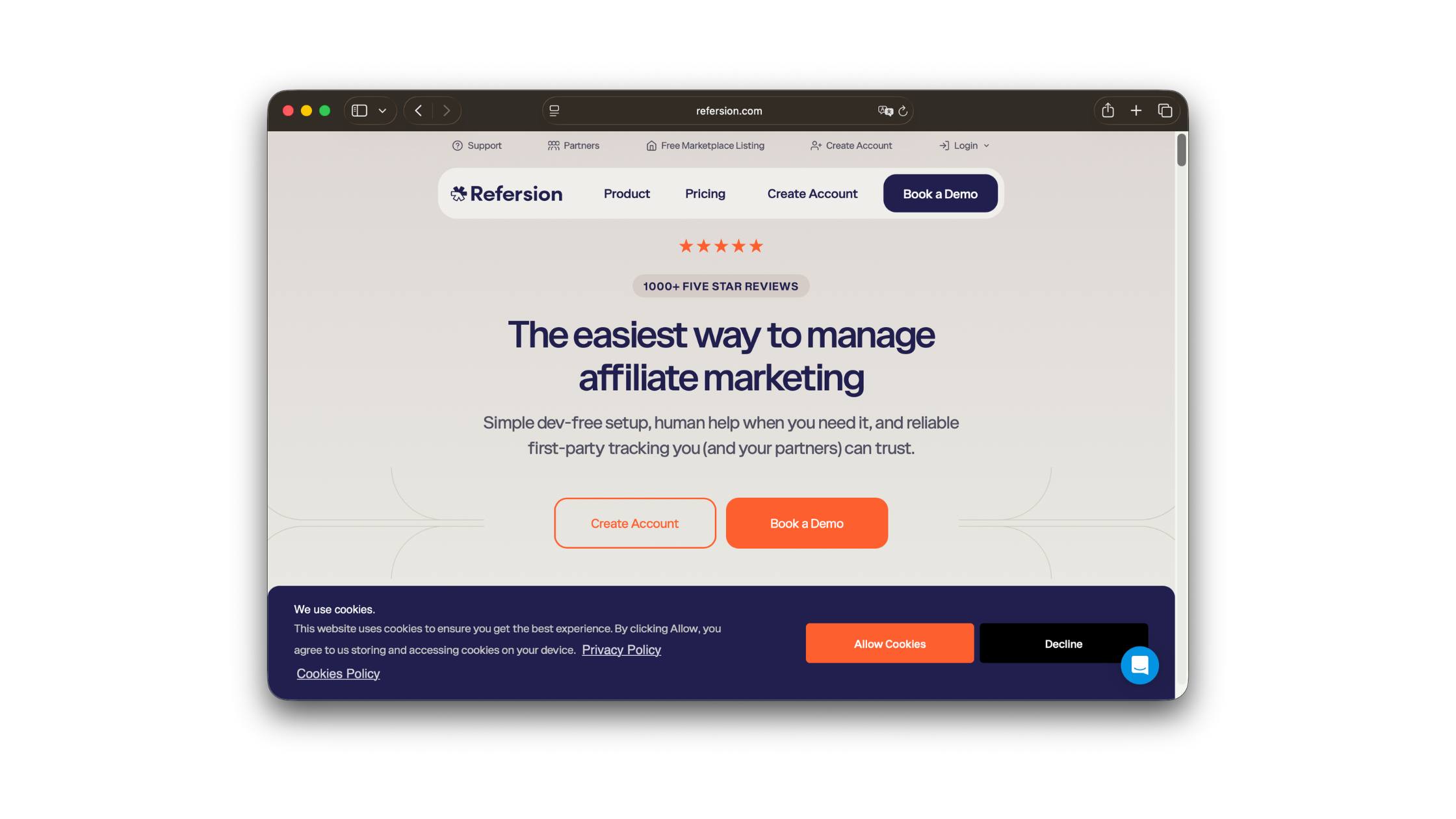
Refersion streamlines affiliate tracking, commission management, and payouts within a single platform, eliminating the need for multiple tools.
The platform supports various commission structures, including percentage-of-sale, flat rate, tiered, and product-specific commissions. Affiliates gain access to a user-friendly dashboard for link retrieval, performance monitoring, and payout requests.
Pricing typically starts around $99 per month for smaller programs and scales based on order volume.
Practical tip: Utilize Refersion’s widget feature to convert customers into affiliates swiftly, facilitating rapid growth of your affiliate network.
7. Tapfiliate: Ideal for Startups and Small Teams
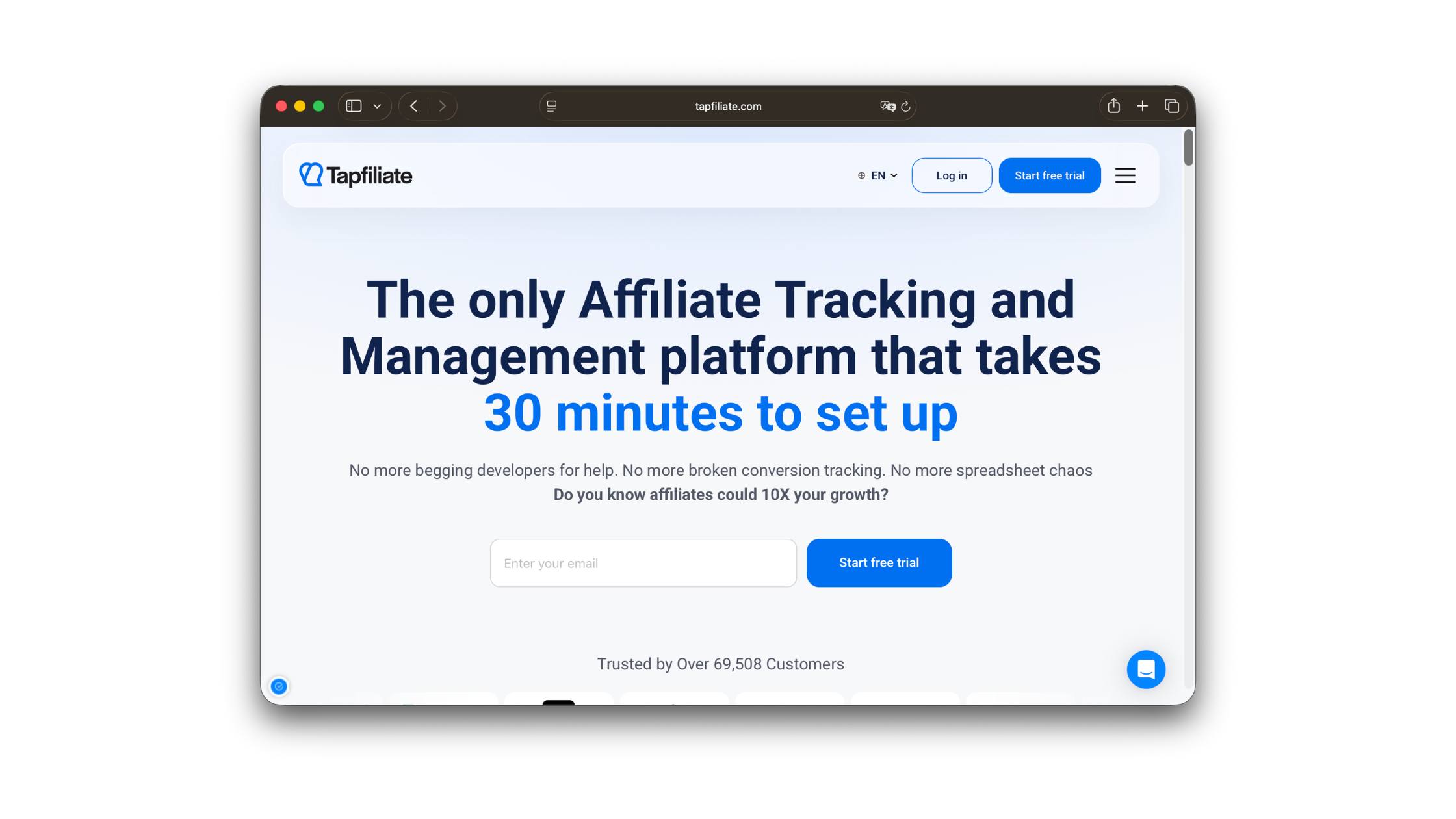
Tapfiliate is the go-to choice for establishing a robust affiliate program without extensive financial resources or dedicated affiliate management. With a clean and simple interface, the platform fulfills essential affiliate program requirements effectively.
Setting up Tapfiliate typically takes less than an hour for most websites. Users benefit from affiliate link tracking, automated commission processes, a basic affiliate portal, and seamless integrations with popular platforms like Stripe, WooCommerce, and others.
However, Tapfiliate may lack the advanced automation capabilities of Impact, the extensive network access of CJ, or the SaaS-specific features of PartnerStack. Nonetheless, for startups launching their first affiliate program and seeking immediate functionality, Tapfiliate offers a hassle-free solution.
Pricing plans start at $89 per month, accompanied by a 14-day free trial period.
Practical tip: Leverage Tapfiliate’s triggered bonuses feature to incentivize affiliate performance—for instance, offering an extra reward once an affiliate achieves a set number of conversions. This straightforward approach can effectively motivate new affiliates.
8. Post Affiliate Pro: Optimal for Self-Hosted Control
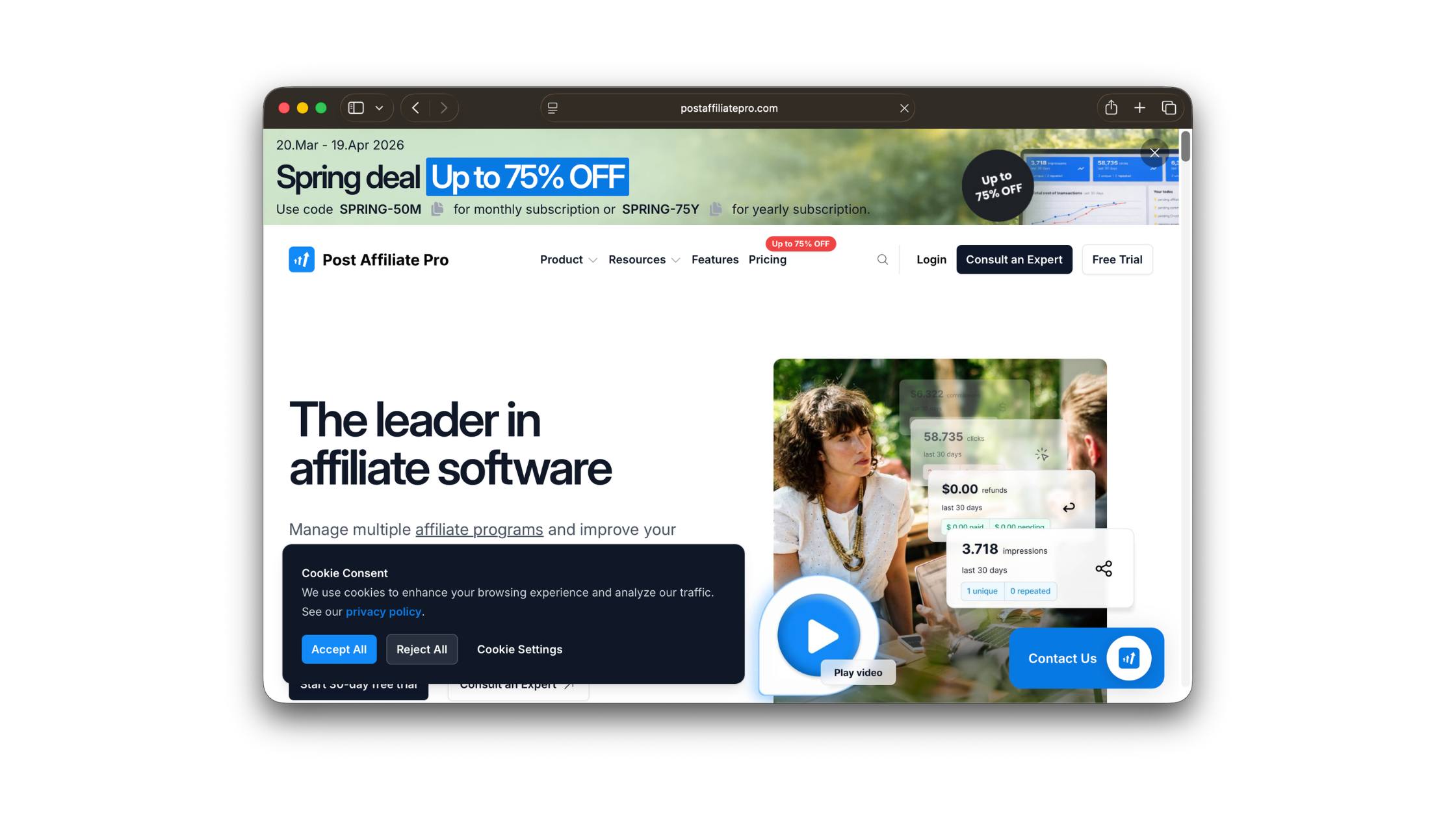
Post Affiliate Pro stands out from the rest due to its unique self-hosted option. While other platforms are cloud-hosted, PAP provides the flexibility to run affiliate tracking on your servers. This feature is beneficial for brands requiring stringent data compliance or customized tracking solutions.
The platform offers an extensive array of features, including multi-tier commissions, fraud protection, over 200 integrations, and detailed reporting capabilities. It supports various tracking methods, such as links, coupon codes, and direct linking, where affiliates don’t need tracking URLs.
However, opting for Post Affiliate Pro may involve a more complex setup compared to plug-and-play tools, and its user interface may not be as modern as that of newer competitors. To leverage this platform effectively, having a technically proficient team member is advisable.
Pricing plans start at $129 per month.
Practical tip: If data residency compliance is critical for your business, such as adhering to EU regulations, PAP’s self-hosted feature ensures that affiliate data remains within your infrastructure.
Quick Comparison
Frequently Asked Questions
What sets affiliate networks apart from affiliate software?
An affiliate network (like CJ, Awin) connects you with an existing pool of publishers and manages payments. In contrast, affiliate software (such as Tapfiliate, Post Affiliate Pro) equips you with tools to independently establish and oversee your affiliate program. Networks may incur higher fees but simplify the recruitment process.
Can I concurrently run affiliate and referral programs?
Absolutely. Many brands operate both types of programs simultaneously. Affiliate programs typically target content creators and publishers, while referral programs focus on existing customers. These programs cater to distinct audiences with minimal overlap.
What budget should I allocate for affiliate software?
Self-service tools typically range from $89 to $200 per month. Enterprise solutions like Impact are custom-priced and generally more expensive. Additionally, factor in affiliate commissions, which commonly range from 5% to 30% per sale based on profit margins.
How can I prevent affiliate fraud?
Platforms with built-in fraud detection mechanisms, such as Impact and Post Affiliate Pro, are effective in combating fraudulent activities. Key features include click-to-conversion time analysis, IP duplication detection, and manual review capabilities for suspicious transactions before payouts are processed.
Which platform is most suitable for Shopify stores?
ReferralCandy offers seamless integration with Shopify and holds the Built for Shopify certification. This platform is well-suited for brands seeking to implement influencer and customer referral programs concurrently.
How soon can I expect results from an affiliate program?
Most programs require 3-6 months to gain traction. The initial month is typically spent on setup and recruitment, while the subsequent months focus on refining commission structures and identifying top performers. Consistent, meaningful revenue generation typically commences around the fourth month.
Conclusion
The choice of the “best” affiliate software hinges entirely on your unique circumstances. Are you an ecommerce brand seeking a solution for referral and affiliate programs in one tool? Look no further than ReferralCandy. Running a SaaS company and in need of a specialized platform? PartnerStack is your go-to option. Do you require access to a vast publisher network? Consider CJ or Awin. Managing an enterprise with diverse partner types? Impact is the ideal choice. Starting from scratch with limited resources? Tapfiliate is the answer.
It’s essential not to overanalyze the decision. Select the platform aligning with your specific requirements, initiate a free trial, recruit a handful of affiliates, and observe the outcomes. Remember, you can always switch platforms later on. The real mistake lies in spending excessive time evaluating options when you could be generating your first affiliate sales.


